












Hyper Fiber®
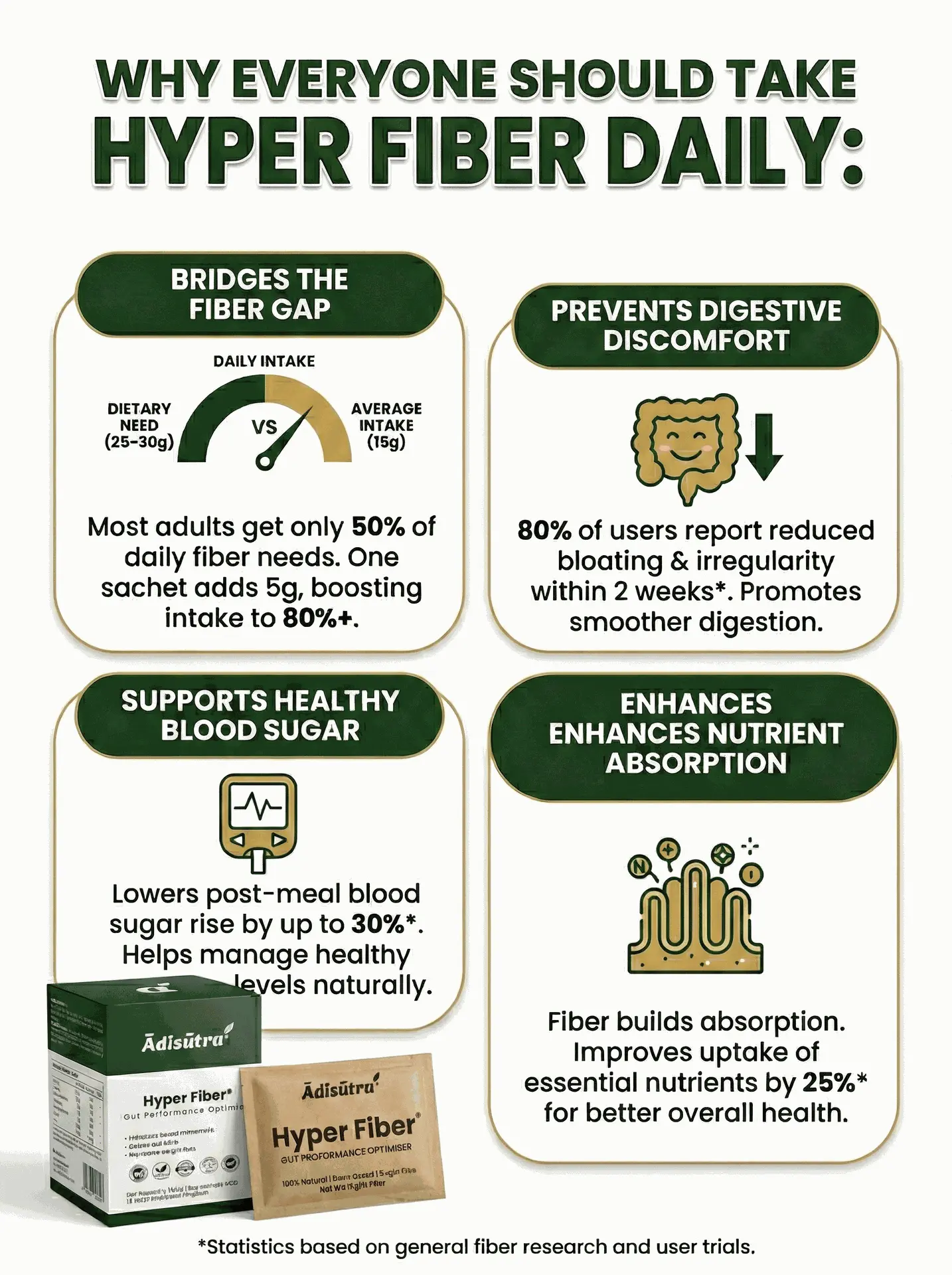
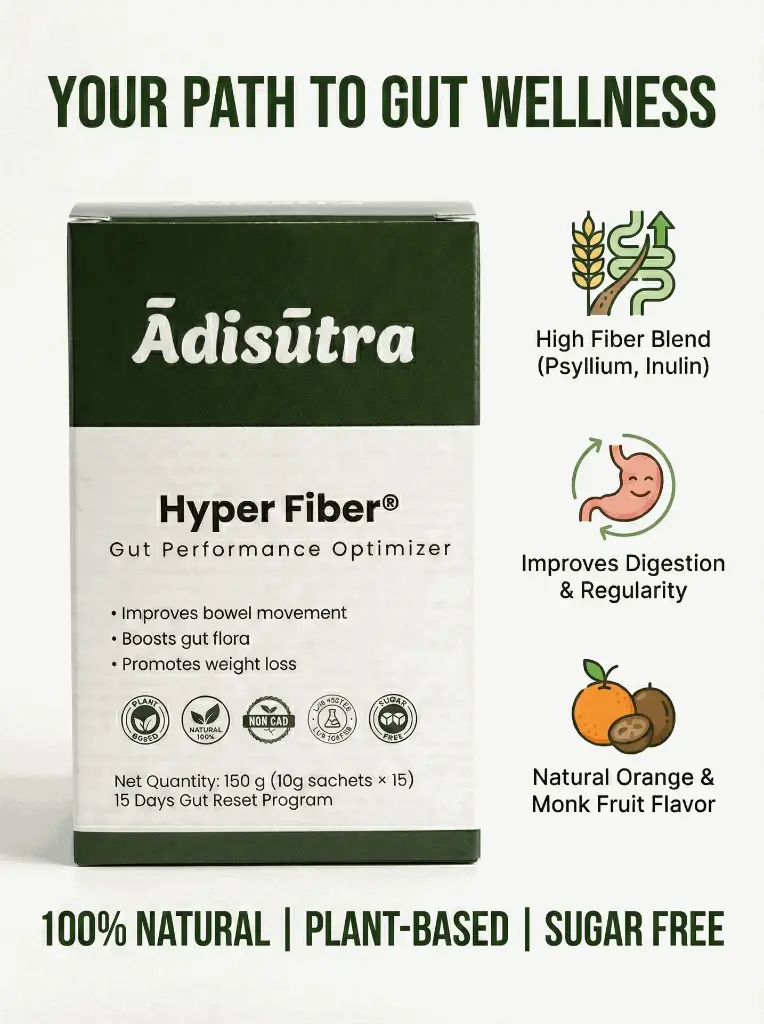
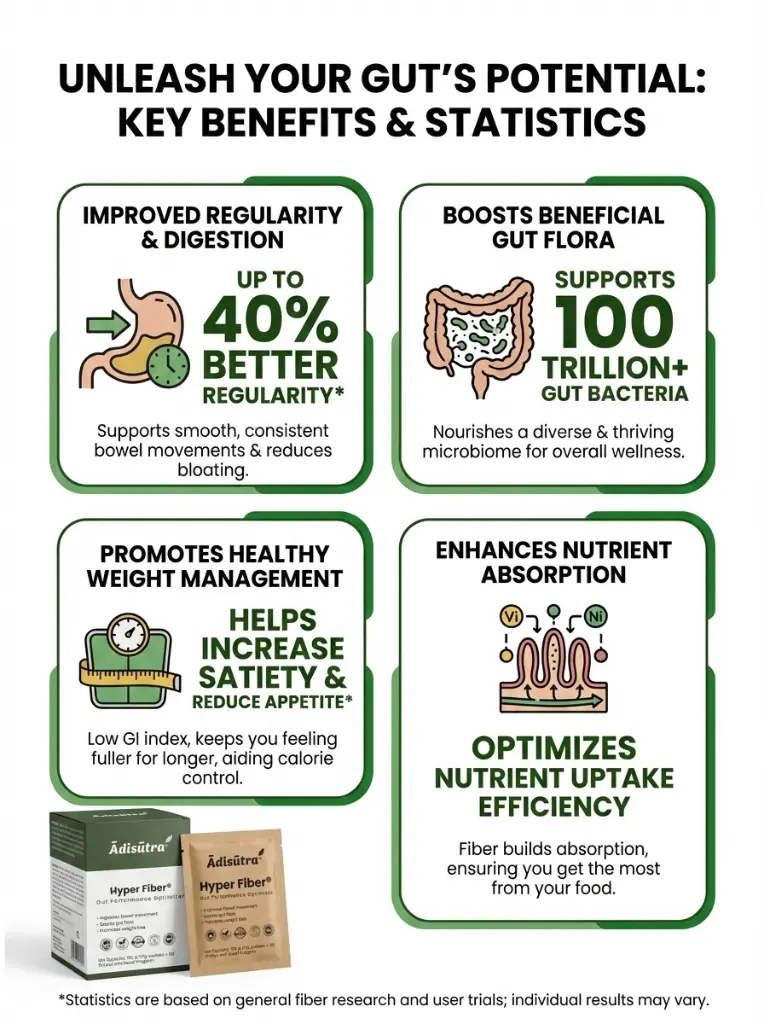
Hyper Fiber® is a meticulously crafted formulation that combines the benefits of Inulin, Psyllium Husk, and a selection of natural fruit extracts, all aimed at promoting optimal digestive wellness on a daily basis. This unique blend is rich in both soluble and insoluble fiber, which work together to facilitate smoother digestion, reduce feelings of bloating, and encourage regular bowel movements, making it an essential addition to your daily routine.
The product is enhanced with a refreshing natural orange flavor, providing a zesty and invigorating taste experience, while the mild sweetness of Monk Fruit adds a touch of pleasantness without the need for any added sugars. Hyper Fiber® is designed to be a light and enjoyable way to nourish your gut every day, ensuring that you can take care of your digestive health without compromising on taste or quality. Importantly, it contains no artificial flavors or preservatives, making it a wholesome choice for those seeking a natural approach to digestive support.
Ingredients
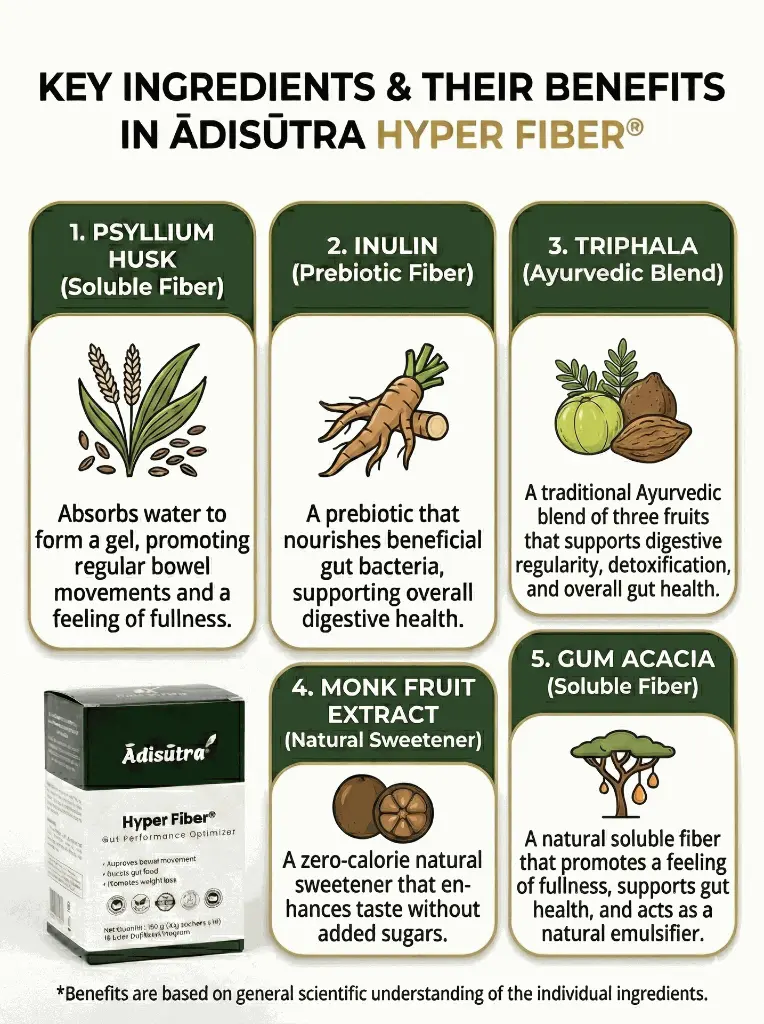
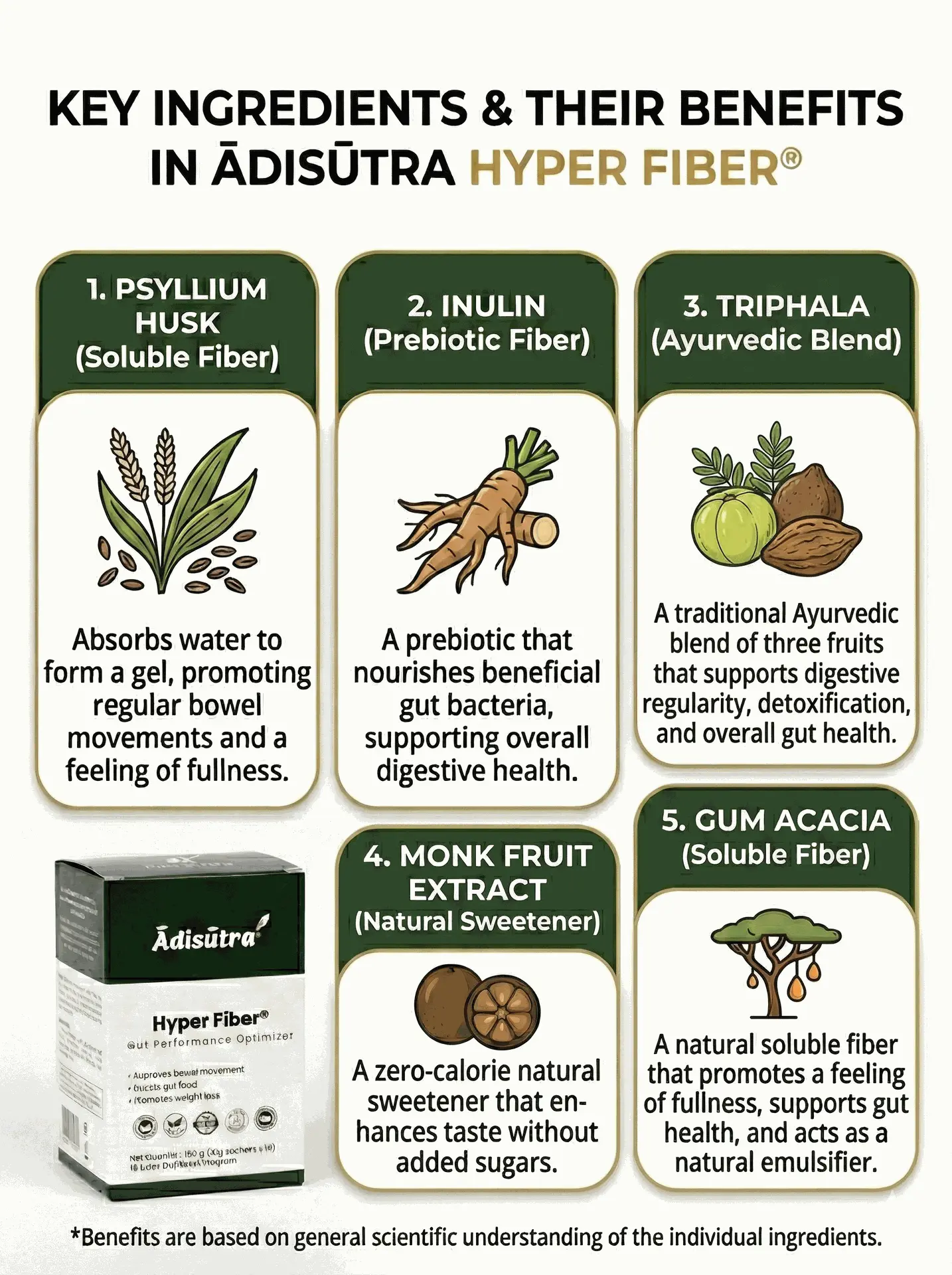
1. Psyllium Husk
Psyllium husk is a natural soluble fibre derived from the seeds of Plantago ovata. It has a remarkable ability to absorb water and form a soft gel inside the digestive tract. This gentle swelling helps promote regular bowel movement and supports overall gut comfort. Beyond its traditional use as a natural cleanser, psyllium husk also assists in maintaining a balanced internal environment by slowing digestion, improving satiety, and supporting a healthy digestive rhythm. It acts as a prebiotic, nourishing beneficial gut bacteria and creating a foundation for improved nutrient absorption. Every gram of psyllium contributes to a feeling of lightness and internal harmony, making it the cornerstone of any high-fibre formulation.
2. Inulin
Inulin is a prebiotic fibre extracted primarily from chicory root. Unlike regular carbohydrates, it passes undigested through the small intestine and becomes food for beneficial gut microbes in the colon. This fermentation process enhances the population of Bifidobacteria and Lactobacilli, which play essential roles in digestion and immune support. Inulin contributes to smooth digestion, balanced energy release, and improved gut ecology. Its mildly sweet taste and soluble nature make it ideal for blending with other fibres, turning a functional supplement into a pleasant daily ritual for gut wellness.
3. Acacia Gum
Also known as gum arabic, acacia gum is a naturally occurring soluble fibre derived from the sap of the Acacia senegal tree. It acts as both a stabilizer and a prebiotic. Acacia supports digestive comfort by gently feeding beneficial bacteria while remaining exceptionally well-tolerated, even for sensitive systems. Its smooth texture enhances the mouthfeel of fibre blends and contributes to a sense of fullness without heaviness.
4. Triphala
Triphala, a classical Ayurvedic blend of Amalaki, Bibhitaki, and Haritaki, brings gentle herbal harmony to this fibre formulation. Known for its balancing and rejuvenating qualities, Triphala complements the digestive actions of fibres with natural antioxidant support. It promotes internal cleansing and vitality while aligning traditional wellness with modern nutrition.
5. Real Orange Spray-Dried Powder
Real orange powder brings not only a refreshing citrus aroma but also natural vitality to the blend. Made from premium-quality oranges through a careful spray-drying process, it retains the fruit’s essential phytonutrients — including natural flavonoids and a touch of vitamin C. Its bright flavour balances the earthy tones of fibre and herbs, transforming a functional supplement into a delightful sensory experience. Beyond taste, orange powder supports the body with gentle antioxidant activity, helping to reduce oxidative stress that often accompanies digestive irregularity. Its light sweetness and tang add a feeling of freshness to every serving, making wellness feel more like indulgence than routine.
6. Monk Fruit Extract
Monk fruit, or Siraitia grosvenorii, is a small green melon native to the mountains of southern China. For centuries, it has been valued as a natural sweetener and herbal fruit of longevity. The sweetness comes from mogrosides — compounds that are intensely sweet yet contain zero calories or sugar. In this formulation, monk fruit extract replaces artificial sweeteners with nature’s gentlest touch. It harmonizes the fibre base without spiking blood sugar or altering gut balance. Beyond sweetness, monk fruit offers mild antioxidant properties, supporting the formulation’s clean and balanced character. Its inclusion reflects a commitment to natural integrity — creating a product that supports digestive health without compromise.
Long‑term cholesterol‑lowering effects of psyllium
The 2000 clinical trial by James W. Anderson and colleagues, published in The American Journal of Clinical Nutrition, remains one of the most influential studies demonstrating the cholesterol-lowering properties of psyllium husk (Plantago ovata). Conducted as a randomized, double-blind, placebo-controlled trial, it evaluated the long-term impact of psyllium as an adjunct to diet therapy in patients with mild to moderate hypercholesterolemia. After an initial adaptation to a low-fat diet (American Heart Association Step I), participants consumed either 5.1 g of psyllium twice daily (approximately 10.2 g/day) or a cellulose placebo over a period of 24–26 weeks.
The results were striking participants who consumed psyllium experienced a 6.7% reduction in LDL cholesterol and a 4.7% reduction in total cholesterol compared with the placebo group, both statistically significant differences (p < 0.001). No notable changes were observed in HDL cholesterol or triglyceride levels. The authors attributed these effects to psyllium’s unique gel-forming soluble fibre property, which increases intestinal viscosity, reduces bile acid reabsorption, and promotes hepatic conversion of cholesterol into bile acids. This mechanism ultimately lowers circulating cholesterol concentrations.
The trial confirmed that daily psyllium supplementation—when taken alongside a heart-healthy diet—is a safe, effective, and natural strategy for supporting healthy lipid levels. Because of its robust design, long duration, and clear biochemical outcomes, this study continues to be cited as a cornerstone of evidence for psyllium’s role in cardiometabolic health and dietary fibre science. It has informed nutritional guidelines and clinical recommendations worldwide, positioning psyllium as one of the most scientifically validated soluble fibres in human nutrition.
Reference: Anderson, J. W., Allgood, L. D., Lawrence, A., Altringer, L. A., Jerdack, G. R., Hengehold, D. A., & Morel, J. G. (2000). Long-term cholesterol-lowering effects of psyllium as an adjunct to diet therapy in the treatment of hypercholesterolemia. The American Journal of Clinical Nutrition, 71(6), 1433–1438. https://pubmed.ncbi.nlm.nih.gov/10837282/
Dietary modulation of the human colonic microbiota
A landmark study by Gibson, Probert, Van Loo, Rastall, and Roberfroid (2004), published in The Journal of Nutrition, firmly established inulin-type fructans as clinically validated prebiotic fibres. The researchers demonstrated that daily supplementation of 5–20 g of inulin or oligofructose selectively stimulated beneficial gut bacteria—particularly Bifidobacteria—while suppressing potentially harmful species. This microbial shift enhanced gut ecology and metabolic health through increased production of short-chain fatty acids (SCFAs) such as butyrate, known to nourish colon cells and support intestinal integrity. The study was among the first to show that dietary fibres could modulate the human microbiome, not just aid digestion, redefining fibre science and leading to inulin’s global recognition as a gold-standard prebiotic.
Reference: Gibson, G. R., Probert, H. M., Van Loo, J., Rastall, R. A., & Roberfroid, M. B. (2004). Dietary modulation of the human colonic microbiota: updating the concept of prebiotics. The Journal of Nutrition, 134(2), 377–381. https://doi.org/10.1093/jn/134.2.377
Gum arabic establishes prebiotic functionality in healthy human volunteers
A highly regarded study by Calame et al. (2008), published in the British Journal of Nutrition, provided compelling human evidence that Acacia gum (gum arabic) acts as a well-tolerated, natural prebiotic fibre. In this double-blind, placebo-controlled trial, healthy adults consumed 10 or 15 grams of Acacia gum daily for three weeks. The results showed a significant and dose-dependent increase in Bifidobacteria and Lactobacilli populations in the gut—key markers of a healthy microbiome—without any gastrointestinal discomfort or laxative side effects. Importantly, Acacia gum also demonstrated exceptional digestive tolerance compared to other fermentable fibres, confirming it as a gentle prebiotic suitable for daily use. This research helped shift gum arabic’s reputation from a food stabilizer to a functional dietary fibre with measurable benefits for gut health and microbial balance, laying the scientific foundation for its widespread inclusion in modern prebiotic and fibre supplements.
Reference: Calame, W., Weseler, A. R., Viebke, C., Flynn, C., & Siemensma, A. D. (2008). Gum arabic establishes prebiotic functionality in healthy human volunteers in a dose-dependent manner. British Journal of Nutrition, 100(6), 1269–1275. https://doi.org/10.1017/S0007114508981447
Therapeutic uses of Triphala in Ayurvedic medicine
A widely cited paper by Peterson et al. (2017), published in the Journal of Alternative and Complementary Medicine, offered one of the most comprehensive modern reviews of Triphala, the classical Ayurvedic formulation composed of Amalaki (Emblica officinalis), Bibhitaki (Terminalia bellirica), and Haritaki (Terminalia chebula). The review examined both traditional use and emerging biomedical research, highlighting Triphala’s broad antioxidant, anti-inflammatory, and gut-modulating effects. Preclinical and limited human studies demonstrated that Triphala supports gut microbial balance, enhances digestion, and may help regulate lipid and glucose metabolism. The paper emphasized that Triphala’s polyphenols and tannins exert prebiotic-like actions—promoting beneficial intestinal bacteria such as Bifidobacteria and Lactobacilli—while inhibiting pathogenic strains. This work was pivotal in bridging Ayurvedic pharmacology with modern gut microbiome science, positioning Triphala as a scientifically credible herbal adjunct in digestive and metabolic health formulations.
Reference: Peterson, C. T., Denniston, K., & Chopra, D. (2017). Therapeutic uses of Triphala in Ayurvedic medicine. Journal of Alternative and Complementary Medicine, 23(8), 607–614. https://doi.org/10.1089/acm.2017.0083